Exodus:
Freedom, Formation, Presence
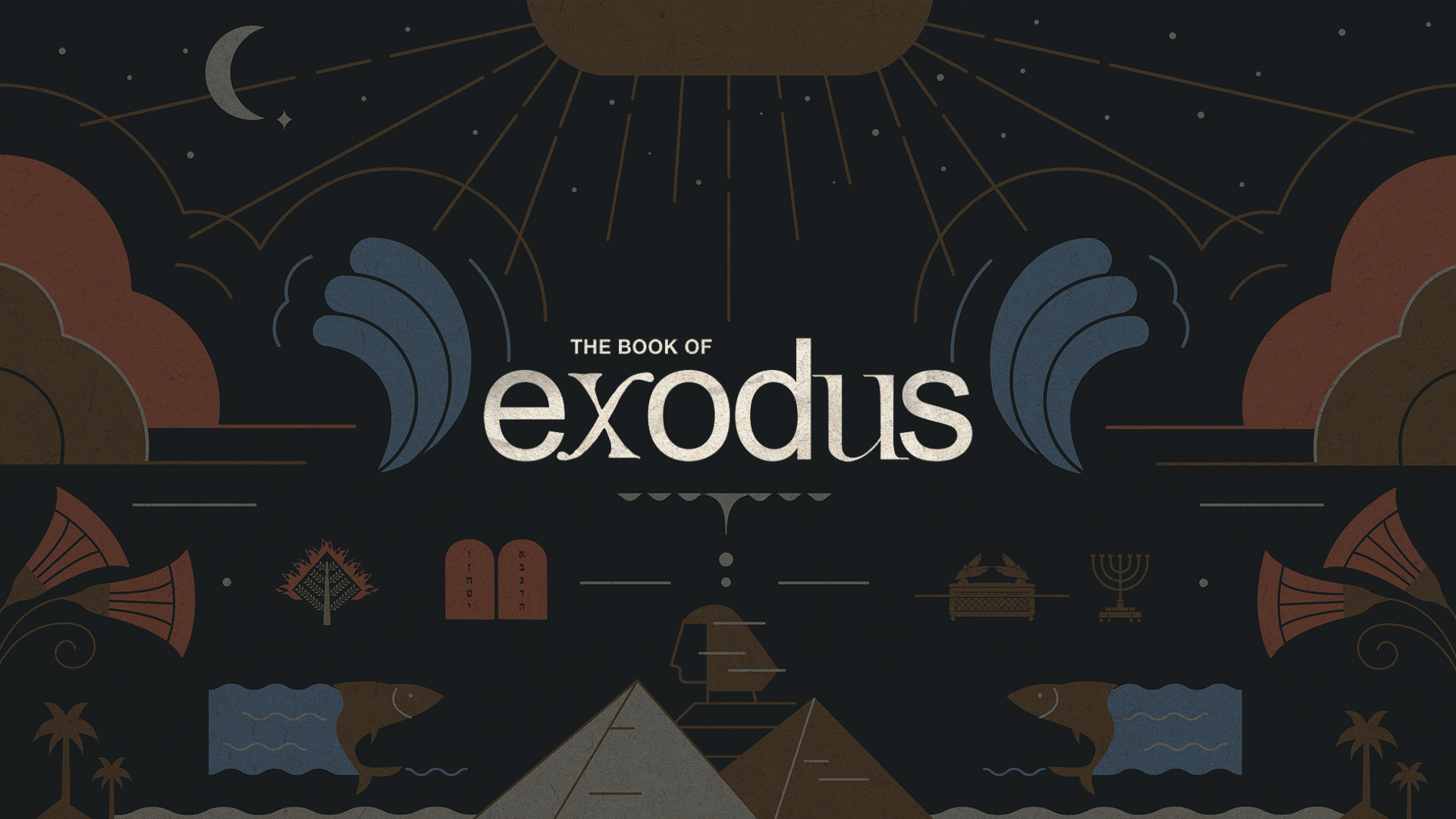
The book of Exodus contains some of the most well-known stories in the Bible—Moses rescued from the Nile, the ten plagues, the parting of the Red Sea, the giving of the Ten Commandments, and the golden calf, to name just a few. But Exodus is much more than a collection of remarkable moments in time. It is the defining story of God's redeeming work in the Old Testament, shaping the identity of the children of Israel, laying the foundation for the church, and profoundly influencing the course of history.
At its heart, Exodus answers some of life's most important questions: What does true freedom look like? How do we experience lasting change? Who is God, and what is he really like? What does it mean to belong to him?
In Exodus, God delivers his people from slavery in Egypt, but redemption is only the beginning. He enters into a covenant relationship with them, teaches them how to live as his people, transforms them from a community of slaves into a holy nation, and prepares them to dwell in the joy of his presence. The same God is still at work today—setting us free and teaching us to live as free people.


Exodus Bible
Reading Plan
As followers of Jesus, the Bible plays a crucial role in our spiritual formation. Through Scripture we come to know God, hear his voice, understand his story, and learn what it means to follow Jesus. Scripture is not merely information to master but an invitation to be transformed by God’s truth and presence.
As we journey through Exodus together, we want everyone at PSCC to learn and practice two methods of reading Scripture:
Inductive Bible Study (such as the HEAR method) helps us slow down, pay attention to what the text actually says, understand its context, and discern what it reveals about God, ourselves, and the way of Jesus. It guards us from simply reading our own ideas into Scripture.
Spiritual Reading (such as Lectio Divina) approaches the same Scriptures with a posture of prayerful attentiveness—reading, meditating, praying, and listening for how God is inviting us to respond.
Both types of reading are important. Inductive study helps us understand the Word faithfully, while spiritual reading helps us receive the Word personally and respond to God relationally. Together, they move Bible reading beyond simply knowing more about the Bible toward being formed more fully into the likeness of Jesus.
Receive Weekly Text Reminders:
Text “READ” to (516) 588-6810